The Tarot Card Everyone Fears (That Actually Means a Fresh Start)
July 5, 2026 | Sloane Medium
The most feared tarot card scares people for the wrong reason. It is the Death card, and yes, the artwork does it no favors. I once watched a first-time client physically lean back when it hit the table. By the end of the reading, they were the one saying the relationship had been over for a year. The card did not scare them. It just said the quiet part out loud. So let us clear this up properly.
Why the Most Feared Tarot Card Scares People
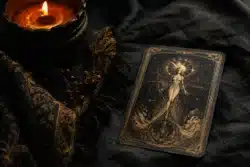
Fear comes from the picture, not the meaning. A skeleton, a scythe, a fallen figure. Of course people flinch. But this card has the worst public relations in the entire deck and, honestly, the best message. People are not afraid of the card itself. They are afraid of the ending they already sense is coming. That distinction matters more than anything else in the reading. Because once you separate the symbol from the dread, the card stops being a threat and starts being useful. Most clients soften the moment I explain that one thing.
Because we are trained to treat every ending as a tragedy, the image lands like a threat. Still, that reflex is exactly what gets in the way. When you read the picture literally, you miss the point. So the real work is separating the symbol from your panic. If you want to build that skill, here are some good reasons to learn tarot for yourself, because reading your own cards strips a lot of the fear out fast.
Next after this publicity
What the Most Feared Tarot Card Actually Means
So here is the meaning, stated plainly. This card is about transition, not termination.
Death as an ending, almost never a literal death
Nobody dies. In years of readings, I have never once seen this card predict a funeral. Instead, it marks a chapter that has run its course. It could be a job. Sometimes it is a version of you that no longer fits. Often it is a relationship you have been propping up out of pure habit. Because the old thing has to close before the new thing can start, the card simply names the closing. So people read doom into it, when really it is closer to a key turning in a lock. The frightening part is not the card. It is the honesty it demands from you.
The fresh start hiding in the imagery
Look closer at most decks and you will spot a sunrise behind the figure. That is not decoration. Rachel Pollack described this card as transition rather than terror, the hinge between what is ending and what is finally free to begin. So the dread is really the doorway. When you stop bracing, you notice the light on the other side of it. That sunrise is the whole point the artist was making. The figure falls, yes, but the day breaks anyway. Endings and beginnings are stitched together in the same frame, because that is how change actually works. Nothing new gets room until something old finally moves.
When the Most Feared Tarot Card Shows Up in a Reading
Context decides everything. Next to stagnant cards, it reads like permission to finally let go. Next to hopeful cards, it reads like a clean slate already arriving. Still, it rarely shows up out of nowhere. It tends to surface when some part of you has already made the decision and is just waiting for a nudge. The card is that nudge. So when a client gasps at it, I usually ask one question first. What have you already been thinking about ending? Nine times out of ten, they answer before they realize they knew.
The Other Cards People Dread for No Good Reason
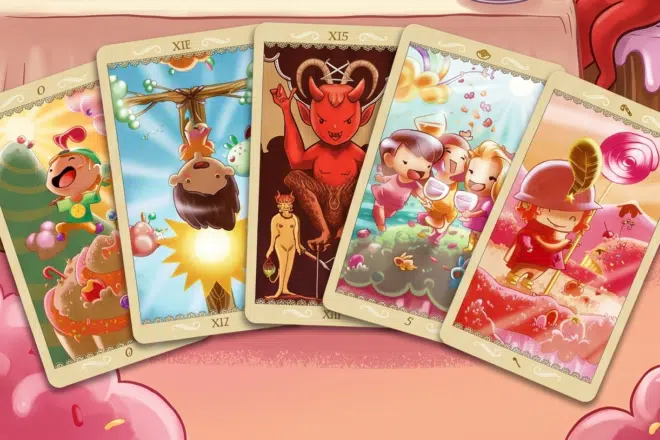
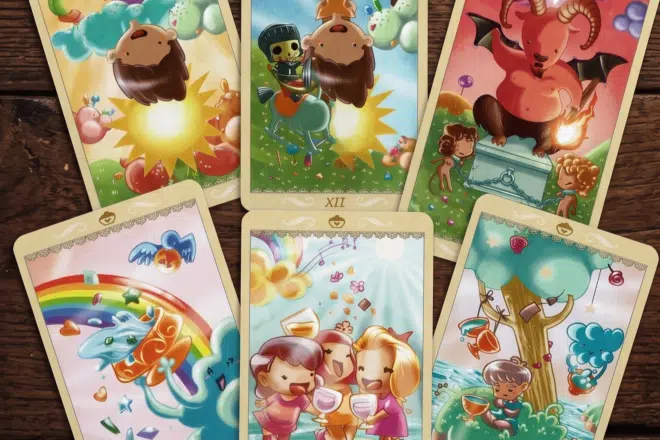
The most feared tarot card is not alone in its bad reputation. The Tower looks alarming, yet it usually means a shaky structure finally coming down so you can build something honest. As for the Devil, it seems sinister, but it often points to a habit or attachment you already know is holding you back. Meanwhile, the Three of Swords shows a pierced heart, though it frequently marks grief you need to feel rather than avoid. So none of these are omens. They are honest mirrors, and mirrors only scare you when you do not like the angle. If symbols fascinate you, it is worth seeing how they sit among the different forms of divination, since tarot is just one language among many. Once you learn to read the picture as a message instead of a verdict, the whole deck gets a lot less menacing.
How to React When You Pull It
First, breathe. Then ask the only useful question. What is actually ending here? Because the most feared tarot card always points at a closing, your job is to name it honestly instead of guessing in the dark. Maybe it is a role you outgrew. Maybe it is a story you keep telling about yourself. Either way, treat the card as information, not a sentence. Write down the one ending it points to, then notice how your body reacts. Relief usually means the card is right. Resistance usually means it is right and you are not ready yet, which is its own useful answer.
Next, do not rush to fix the feeling. Endings deserve a moment. If the theme is grief or release, it helps to sit with the spirituality of death and rebirth rather than sprint past it. And if you are building a practice, choosing one of the must-have decks to study tarot makes the imagery far less intimidating over time. Astrology tells a similar story, since the planet of deep change shares this symbolism. The distant world astronomers tie to slow, total transformation is the same energy the card carries. So the next time the most feared tarot card lands face up, remember what it is really announcing. Not an ending you should dread at all. It is a beginning you have probably been quietly waiting for.
I am Sloane, a professional for 30 years in the art of deciphering the cosmos and make a lever of action. Born under a sky charged with omens in Sedona, I transformed my sensitivity to energies in a concrete expertise: certified mediumship (Arthur Findlay College), ancestral energy practices (Reiki, ThetaHealing, magnetism) and Karmic astrology studied with masters in Jyotish and in the Hellenistic tradition.
My mission? To translate messages from heaven into applicable strategies, for those who refuse to accept their fate.